
Directional Review: You’re Probably Already Doing Impact
Let’s Make It the Standard.

We often talk about “impact” as if it’s something separate from business-as-usual.
But in my experience working with small and medium enterprises (SMEs), I can say that most SMEs are already creating impact.
They just don’t always see it, measure it, or talk about it.
I call this the invisible impact problem. And right now, we are working with businesses through a process we call a direction review. We aim to help businesses uncover where impact is already happening, and how to make it visible, intentional, and valuable.
We call this process a direction review, A strategic pause to look at where you're already going and realign to ensure you're heading where you actually want to go.
Because here’s the mindset shift we need to make:
We’re not TAKING responsible business into business-as-usual, tackling on social value after the real work is done.
We’re MAKING responsible business business-as-usual, embedding impact into decisions, operations, and day-to-day operation.
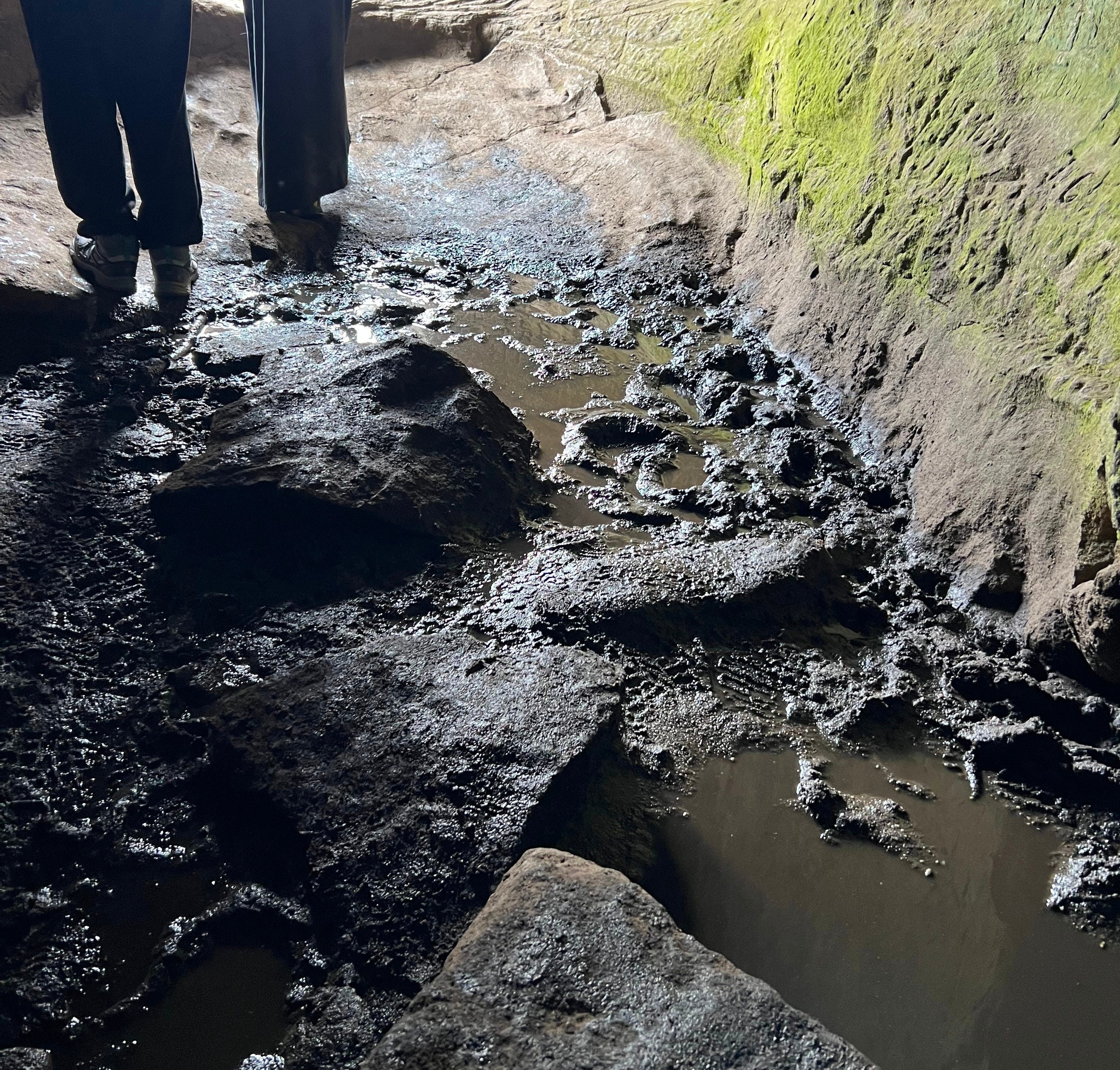
“Impact isn’t something you reach for once the real work is done. It’s forged in the messy middle, through everyday choices, made intentionally”
How can we see impact (positive and negative) not as an afterthought, but as the standard for how we do business?
So where do I start, you may ask….In my opinion, right where you are.
1. Start with decisions, not donations
Impact begins at the core of your business model.
Before sponsoring another community event, take a moment to look inward.
Try these questions:
Do our products or services benefit someone underserved?
Are we solving a real problem that creates value for people alongside for profit?
If so, you’re already leading towards generating social value.
This is where intentionality matters. Not every benefit is automatically “impact.” What matters is who benefits, how, and whether it’s meaningful to them.
Starting with decisions, it can shape your pricing model, your product design, your client base, and put impact at the centre of the business.
(And just to be clear: I’m not saying don’t sponsor that community event. But ask: How might that sponsorship align more deeply with your core business? Can it strengthen your local supply chain, build customer trust, or create learning opportunities for your team? Intentional alignment is key here)
2. Track what’s already happening
Much of your impact is likely hidden.
Try these questions:
Are your suppliers local or diverse?
Do you hire inclusively or offer apprenticeships?
Do you actively reduce waste, emissions, or digital exclusion?

“These grooves weren’t carved overnight. They’re the outcome of many invisible forces. What traces of value is your business already leaving behind?”
These are not just “operations.” They can be social value outcomes if you know how to integrates international social value principles so that they can lead to long-term improvements in people’s lives or communities.
This can also be your impact baseline too.
The key is to recognise value already being created by asking the correct questions.
3. Embed it in your conversations
If impact is not discussed, it won’t show up in your strategy.
Bring it into the boardroom, the team meeting, the partner call.
Not as a compliance task, but as a new lens for decision-making.
Try these questions:
“What value are we creating for people, not just for profit?”
“Whose voices are informing your business decisions?”
These questions do more than spark discussion, as they shift attention to what matters.
And when asked consistently, it begins to shift culture, moving from (i) reactive to proactive, from (ii) compliance to contribution.
This is how responsible business becomes the way we do business, and not something we do “on the side.”
By embedding these reflections into your daily conversations, you make space for a more inclusive, accountable form of business.
Let’s try to not just report on impact but listens, responds, and adapts.
This is how responsible business becomes everyday business.
Key takeaway: So, in the context of SMEs and impact, it means:
Reviewing what’s already happening (the invisible impact),
Reflecting on the values already being expressed through decisions, and
Then redirecting or reaffirming that path, intentionally.
Impact Management is not a backward-looking audit. It’s a purposeful checkpoint.